Reference Decision: cc • No. 08-70.338 • 2010-04-08 • View the decision →
Imagine you are the owner of commercial premises in Sophia-Antipolis, in this business district where startups rub shoulders with corporate headquarters. You have been leasing for several years to a company that occupies your premises. To simplify matters, you have concluded derogatory leases (tenancy agreements that derogate, i.e., depart from the usual rules of the commercial lease status). Everything seems to be working, until the day your tenant suddenly claims the benefit of full commercial lease status. What should you do?
This situation is not uncommon. In dynamic cities like Cannes, where commercial property is highly sought after, landlords are often tempted to use derogatory leases to avoid the constraints of the commercial lease status (which strongly protects tenants, particularly through a right to lease renewal). But how far can one go?
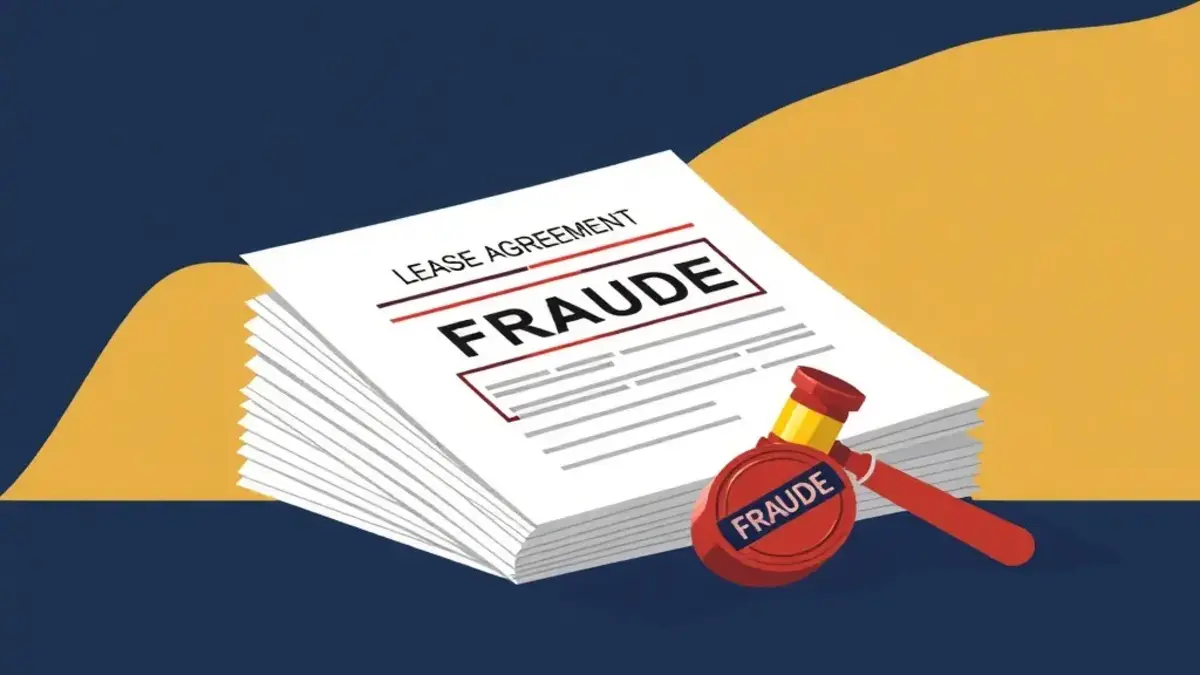
The Cour de cassation (the highest judicial court in France) answered clearly in a decision of 8 April 2010. It reminds us of an essential rule: if the landlord commits fraud by multiplying successive derogatory leases, they can no longer rely on the tenant's waiver (the abandonment) of commercial property rights. In other words, the fraud nullifies the protection that the landlord thought they had. Let's see what this means in practice.
The Facts: A Story as Common as Any
Mr. Dubois, owner of premises in Sophia-Antipolis, has been leasing for several years to SARL Jasmin, a company specialising in technology consultancy. To avoid the burdens of the commercial lease status, Mr. Dubois proposes a derogatory lease from the outset. The tenant signs, thereby waiving certain protections, notably the right to automatic lease renewal.
The years pass. At the expiry of the first lease, Mr. Dubois proposes a second derogatory lease, then a third. SARL Jasmin signs each time, seemingly accepting this situation. But then, after signing the third lease, the company changes its mind. It sues Mr. Dubois, requesting to fully benefit from the commercial lease status, as if it had never waived its rights.
Mr. Dubois is surprised. He argues that SARL Jasmin validly waived commercial property rights by signing these successive derogatory leases. According to him, this waiver is definitive. But SARL Jasmin contests this: it considers that Mr. Dubois committed fraud by abusing these derogatory leases to permanently deprive it of its rights. The case goes up to the Cour de cassation, after twists and turns before the first instance and appeal courts.
undefined, I have encountered cases where landlords on the Côte d'Azur, particularly in Cannes, systematically used derogatory leases for long-term lettings, thereby creating legal uncertainty for tenants. This decision clarifies the limits of this practice.
The Court's Reasoning — Analysed
The judges of the Cour de cassation analysed the situation rigorously. They first recall the legal basis: Article 1240 of the French Civil Code (which obliges compensation for damage caused by one's fault). Here, the fault is the fraud committed by the landlord.
But what constitutes fraud in this context? The court explains that concluding successive derogatory leases can constitute fraud if it aims to unduly deprive the tenant of the protection of the commercial lease status. In plain terms, if the landlord abuses this mechanism to repeatedly circumvent the law, they commit a fault.
The decision specifies that this fraud prohibits the lessor (the landlord) from relying on the lessee's (the tenant's) waiver of commercial property rights. In other words, even if the tenant has signed waivers, they become unenforceable (one cannot rely on them) as soon as the landlord has committed fraud. The court thus confirms prior case law, strengthening tenant protection against abuses.
The parties' arguments were clear: Mr. Dubois insisted on contractual freedom and the validity of the signatures, while SARL Jasmin denounced a circumvention of the law. The magistrates ruled in favour of SARL Jasmin, considering that the abuse of successive derogatory leases vitiates the tenant's consent and nullifies the waivers.
What This Means for You — Practically
If you are a landlord, be careful: you cannot multiply derogatory leases without risk. For example, in Cannes, if you lease 100 m² premises at €1,500 per month and impose a third derogatory lease, your tenant could challenge it and claim commercial lease status. This means they would have the right to lease renewal, with possibly regulated rent review. You could lose the freedom to easily recover the premises.
If you are a tenant, this decision protects you. Imagine you occupy commercial premises in Sophia-Antipolis for 10 years under derogatory leases. You can now invoke fraud to regain your full rights, including the right to renewal. In a recent case, a tenant thus avoided eviction and negotiated a commercial lease with stabilised rent.
For property buyers, check the lease history. If you buy premises with tenants under successive derogatory leases, you could inherit disputes. A prior legal audit is crucial. Co-owners must also be vigilant: if a commercial unit is leased fraudulently, this can affect the building's value.
How to react? If you are in this situation, you should consult a specialised lawyer quickly. Time limits for action can be short, and the amounts at stake are often significant: on the Côte d'Azur, a dispute over a commercial lease can involve tens of thousands of euros in rent or compensation.
Four Tips to Avoid This Type of Dispute
- Limit the number of derogatory leases: Avoid concluding more than two successive derogatory leases with the same tenant. Beyond that, the risk of fraud increases considerably.
- Document the consents: Ensure the tenant clearly understands what they are waiving. Use explicit clauses and have separate addenda (contract modifications) signed for each waiver.
- Prefer the classic commercial lease: When in doubt, opt for a standard commercial lease, especially for long-term lettings. This avoids ambiguities and strengthens legal certainty.
- Consult a professional before signing: Whether you are a landlord or tenant, have the contracts reviewed by a lawyer. One hour of consultation can prevent years of litigation.
Deep Dive: Related Case Law and Developments
This decision fits into a jurisprudential trend (the body of court decisions) protective of tenants. For example, a prior Cour de cassation ruling (No. 07-10.000) had already sanctioned abuses in derogatory leases, but less explicitly. Here, the court refines the reasoning by directly linking fraud to the unenforceability of waivers.
What few people know is that some courts, before this decision, could be more tolerant towards landlords. Now, the line is clear: the multiplication of derogatory leases is suspect. For the future, this means judges will probably be stricter, requiring proof of good faith from landlords.
undefined, I have seen cases evolve: tenants are increasingly informed and do not hesitate to challenge. This decision gives them a powerful tool, particularly in tight markets like the Côte d'Azur, where property pressure can encourage abusive practices.
Key Points to Remember
- If you are a landlord: Avoid successive derogatory leases beyond two. Otherwise, you risk losing the benefit of the tenant's waivers.
- If you are a tenant: You can challenge repeated derogatory leases to regain your full rights under commercial lease status.
- Time limit for action: Act quickly, ideally within months of signing a new derogatory lease, to maximise your chances.
- Financial consequence: A dispute can involve significant compensation or rent revisions, especially in cities like Cannes where rents are high.
- Verification: Before signing any lease, ensure you understand the long-term implications, particularly regarding renewal.
Besoin d'un conseil personnalisé ? Contactez Maître Zakine — première consultation 30 min à 45€.
Do you find yourself in a similar situation? A first 30-minute consultation with Maître Zakine (€45) can save you months of litigation — and often much more. Book an appointment →
