Reference decision: cc • No. 97-15.410 • 2002-01-30 • View decision →
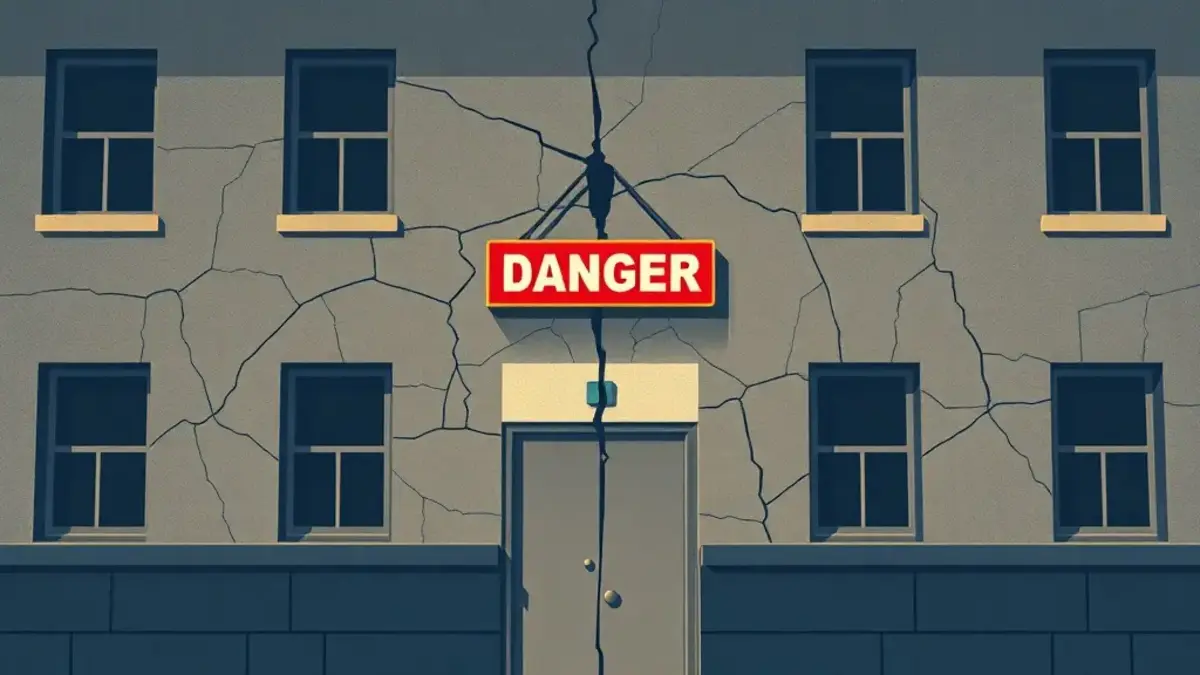
Picture the scene: you own a commercial property in Mandelieu, let for twenty years to a florist. One day, a peril notice is issued on your building. The walls are at risk of collapse. You breathe a sigh of relief: you will be able to recover the premises without paying a penny, without having to pay the famous eviction indemnity (the sum due to the tenant to compensate for the loss of their business). But beware: the Court of Cassation ruled in 2002. It is not that simple.
The question every landlord with a dilapidated building asks: can I refuse to renew the commercial lease (a lease for premises intended for a commercial activity) without paying compensation, on the grounds that the building is in peril? And the tenant wonders: if my lease is not renewed because of a peril notice, am I entitled to compensation?
This ruling of the Court of Cassation of 30 January 2002 (No. 97-15.410) provides a clear answer: for the landlord to be exempt from paying the eviction indemnity, the state of peril must make it impossible to continue operating the business. In other words, if the trader can still carry on their activity, even partially, the indemnity remains due. Analysis.
The facts: a story like many others
In this case, the X… family are owners of a building in Fort-de-France, leased under a commercial lease to tenants operating a business. One day, a peril notice is issued by the town hall, prohibiting the occupation of most of the leased premises. The owners see an opportunity: they refuse renewal of the lease on the grounds of the state of peril, and argue that they do not have to pay an eviction indemnity.
The tenants, however, contest this. They argue that the peril notice does not concern all of the premises, and that their business can continue in part of the premises. They sue the owners in court to obtain payment of the eviction indemnity. The Court of Appeal of Fort-de-France, in a judgment of 25 October 1996, rules in their favour and orders the landlords to pay an indemnity.
The owners appeal to the Court of Cassation. They argue that the state of peril, even partial, exempts them from any indemnity. But the Court of Cassation does not follow them. It quashes the appeal judgment, not because the lower courts misapplied the rule, but because they failed to check a crucial point: did the peril notice totally prevent the continuation of the business? The Court refers the case to another court of appeal to examine this point. In short, to deprive the tenant of the eviction indemnity, it is not enough that a peril exists: the peril must completely prevent the trader from working.
The reasoning of the court — analysed
The reasoning of the Court of Cassation is anchored in the provisions of the Commercial Code, in particular Article L. 145-14 (formerly Article 9 of the Decree of 30 September 1953) which governs the right to renewal of a commercial lease. This provision states that the landlord may refuse renewal of the lease, but must then pay an eviction indemnity to the tenant, subject to exceptions. One of these exceptions is the state of peril: if the building is in peril (threat of collapse, serious insanitary conditions), the landlord may be exempt from paying the indemnity.
But the Court of Cassation specifies the threshold at which this exception applies. It says: "To deprive the tenant of the eviction indemnity, the state of peril must prevent the continuation of the operation of the business." In other words, if the trader can continue to sell their products or provide their services, even in only part of the premises, the indemnity remains due.
What few people know is that this interpretation is strict. The Court is not satisfied with a mere risk: there must be a real and total impossibility of operating. For example, if a peril notice affects the back room but the shop front remains accessible, the trader can still carry on their activity. In this case, the landlord will have to pay the indemnity.
However, note that the ruling does not specify whether the state of peril must be permanent or temporary. In practice, if the notice prohibits all occupation for an indefinite period, the indemnity could be excluded. But if the prohibition is partial or reversible, the trader retains their rights.
In this case, the court of appeal had ordered the landlords to pay the indemnity without verifying whether the operation was actually impossible. The Court of Cassation therefore censures this lack of legal basis. The lower courts will have to determine whether, despite the peril notice, the business could continue to operate.
This decision is part of a consistent line of case law protecting the commercial tenant. The legislature intended to protect the business, which is an essential element of the trader's activity. The eviction indemnity compensates for the loss of this business. Depriving it without serious reason would be contrary to this spirit.
What this means for you — in practice
For the landlord
If you are the owner of a property in Vallauris, and you discover that your building is subject to a peril notice, do not rejoice too quickly. You will not be able to recover the premises without compensation if the tenant can still carry on their activity, even partially. For example, if the notice only concerns the basement but the shop on the ground floor remains accessible, the florist can continue to sell their bouquets. You will therefore have to pay them the eviction indemnity, which can represent several years of rent (often 6 to 12 months' rent, or even more).
In practice, you must have an expert assess the impact of the notice on the operation. If the expert concludes that the trader can no longer operate at all, then you are entitled to refuse renewal without compensation. But beware: if you are wrong, you risk being ordered to pay the indemnity plus damages.
For the commercial tenant
If you are a tenant of a property in Mandelieu and your landlord tells you that they are not renewing the lease because of a peril, do not leave without anything. You are entitled to an eviction indemnity if your activity can continue. Apply to the tribunal judiciaire to have it established that the operation is still possible. You can even request an expert assessment to demonstrate that the notice does not prevent you from working.
undefined, I have come across cases where the landlord tried to invoke a minor peril to get rid of an inconvenient tenant. The 2002 case law protects traders against such abuses. If you are in this situation, you must act quickly: the deadline to contest the refusal of renewal is two years from the notification.
For the purchaser of a building
If you buy a commercial property in Vallauris, check whether there are any peril notices. This can affect the value of the property, because if a tenant can demand an eviction indemnity, the sale price must take this into account. Moreover, you could inherit a dispute if the previous owner mishandled the situation.
Four tips to avoid this type of dispute
- Have a full technical survey carried out before refusing renewal. Do not rely on a simple peril notice: call in an expert to determine whether the operation of the business is genuinely impossible. A solid expert report will save you from being ordered to pay.
- Negotiate with your tenant. If the peril is partial, propose a rent reduction or works to allow the activity to continue. This can avoid costly litigation. The eviction indemnity can be very high, often exceeding €50,000 for a small business.
- Respect the deadlines. To refuse renewal, you must notify your refusal at least six months before the expiry of the lease. If you rely on a state of peril, this notification must be reasoned. A failure to give reasons may render the refusal void.
- Consult a lawyer lawyer. The area is complex and each case is unique. A lawyer will help you assess your chances and prepare your strategy. In Mandelieu, many owners make the mistake of believing that peril automatically exempts them from any indemnity.
Further reading: related case law and developments
This 2002 decision is part of a line of rulings protecting the commercial tenant. For example, the Court of Cassation has held that the mere fact that the building is subject to a peril notice is not enough to deprive the tenant of their right to renewal (Civ. 3e, 18 May 1994, No. 92-16.521). It must be shown that the peril makes the operation impossible.
On the other hand, if the peril notice is final and prohibits all occupation, the indemnity is not due (Civ. 3e, 15 December 1999, No. 97-22.179). The trend of the courts is therefore to examine on a case-by-case basis the actual impact of the peril on the activity.
Since 2002, case law has evolved on other aspects, such as the landlord's obligation to deliver. But on the specific point of the eviction indemnity and peril, the 2002 ruling remains the reference. The lower courts are very vigilant: they require concrete evidence of the impossibility of operating.
What this means for the future: if you are a landlord, do not count on a partial peril to exempt you from paying. It is better to include a clause in the lease allowing termination without compensation in the event of total peril, but this is rarely admitted.
Frequently asked questions
- Q: Does a partial peril notice exempt me from paying the eviction indemnity?
A: No, unless the notice totally prevents the operation of the business. If part of the premises remains accessible and the activity can continue, the indemnity is due. - Q: What should I do if my landlord refuses to renew my lease citing a peril?
A: Contest it before the tribunal judiciaire within two years. Have a bailiff record that your activity is still possible. You may obtain the eviction indemnity. - Q: What is the amount of the eviction indemnity?
A: It corresponds to the value of the business, including the leasehold interest and goodwill. Generally, it represents 6 to 12 months' rent, but can be much higher for prosperous businesses. - Q: Can I terminate the lease without compensation if the building is in peril?
A: Yes, if the peril is total and prevents any operation. But you must prove this through an expert assessment. Otherwise, you risk an order to pay. - Q: What are the time limits for action?
A: The tenant must request renewal within six months of the lease expiry. The landlord must refuse by formal notice within three months of the request. In case of dispute, seize the court within two years.
Besoin d'un conseil personnalisé ? Contactez Maître Zakine — première consultation 30 min à 45€.
Are you in a similar situation? A 30-minute initial consultation with Maître Zakine (€45) may save you months of proceedings—and often much more. Book an appointment →
📌 Does this apply to your situation? Maître Cécile Zakine, lawyer in French real estate law, practises throughout France.
→ Avocat bail commercial & droit immobilier |
→ Browse all our legal articles
