Reference Decision: cc • No. 99-45.424 • 2001-11-21 • View the decision →
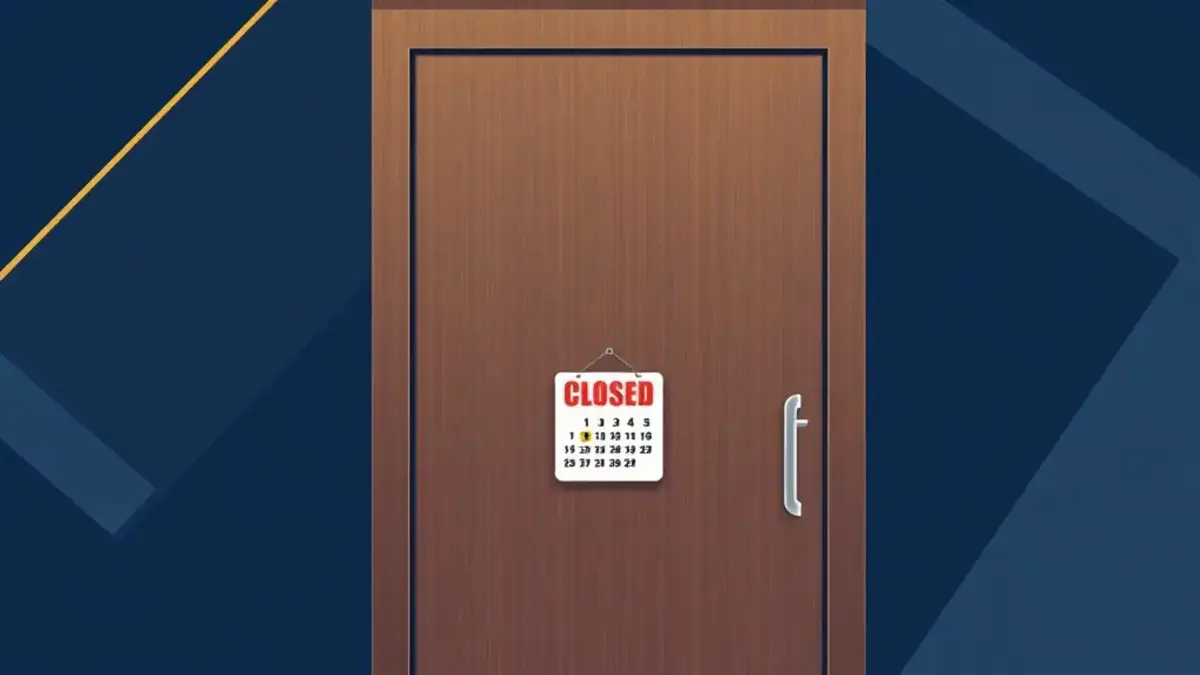
Imagine: you own a small beachside business in Capbreton, and your only employee, a seasonal worker, hands in their resignation at the end of July. You close shop in August for annual holidays, as every year. When you return, you discover they are claiming their salary for August, even though they did not work. Outrageous, right? Yet, the Court of Cassation ruled in their favour. This decision of 21 November 2001 (No. 99-45.424) settled a crucial question: the annual closure of the company does not interrupt the notice period of a resigning employee, and the employee must be paid for that period, even if they were unable to perform their work. A lesson for every employer, whether you are in Biscarrosse or elsewhere.
But what does this actually change for you, as the owner of a seasonal restaurant or manager of a service company in Mont-de-Marsan? A great deal. For employment law protects the employee, even one who has resigned, by guaranteeing remuneration during the notice period, except in cases of gross misconduct. And the closure of the company does not constitute a ground for suspending this period. In other words, if you close for holidays, you must pay your employee for the period they would have worked, even if they did not clock in.
This decision, handed down by the Social Chamber of the Court of Cassation, is a landmark ruling with authority. It applies to all sectors, from catering to industry. In this article, we will break down the facts, the judges' reasoning, and above all the practical consequences for you. Whether you are an employer or an employee, you will know how to react.
The Facts: A Story Like Many Others
In 1995, an employee resigned from their position in a company near Capbreton. They gave notice on 23 July, stating they would respect a one-month notice period, i.e. until 23 August. Problem: the company closed for annual holidays for four weeks, from 1 to 31 August. The employee could therefore not perform their notice period. The employer, considering that the employee had breached their notice period by not working, claimed damages for early termination. The employee, for their part, demanded payment of their salary for the notice period, which they had been unable to carry out. The industrial tribunal (first instance employment court) ruled in favour of the employer. The employee appealed. The Court of Appeal (second level of judgment) reversed the decision and ordered the employer to pay the salary. The employer appealed to the Court of Cassation (the highest court). The Court of Cassation dismissed the appeal and upheld the Court of Appeal's decision. Thus, the employee succeeded.
In short, the employee knew the company closed in August, but resigned anyway. The employer argued that the employee had knowingly accepted not to perform their notice period, and therefore had no right to their salary. But the judges held that the annual closure could not be imputed to the employee, and that the employee was entitled to the remuneration provided by law during their notice period, even if they did not work.
The Court's Reasoning — Explained
The Court of Cassation relied on Article L. 122-8 of the Labour Code (now codified as Article L. 1234-5), which provides that in the event of resignation, an employee who does not perform their notice period (except in cases of gross misconduct) owes the employer a compensatory indemnity, unless the employer dispenses with it. But here, it was the employer who, by its closure, prevented the employee from performing their notice period. The Court held that the closure of the company for annual holidays does not suspend the notice period. In other words, the period continues to run during the closure. And the impossibility for the employee to perform their notice period cannot deprive them of the remuneration they would have received if they had worked.
The reasoning is simple: the notice period is a contractual period that runs from the notification of resignation. Company holidays are not a legal ground for suspending the notice period (unlike, for example, sick leave). The employee should not suffer the consequences of a closure decided by the employer. The employer must therefore pay the corresponding salary, as if the employee had worked. The Court rejected the employer's argument that the employee had accepted the situation by resigning with knowledge: knowledge of the closure does not constitute a waiver of the right to remuneration.
This decision confirms earlier case law (notably a decision of 12 June 1990, No. 88-43.278) and fits within a protective logic for the employee. However, note: if the employee is guilty of gross misconduct, or if the employer expressly dispenses with the notice period, the rules change. But in the case of a collective closure for holidays, it is the employer who pays.
What This Means for You — Practically
For employers, this decision is a reminder: you cannot save on notice period salary by closing your business. If an employee resigns and your company closes during their notice period (e.g., in August in Biscarrosse), you must pay them for the entire notice period, even if they did not work. Concretely, if an employee has a one-month notice period and your company closes for 15 days, you owe them the full month's salary. Conversely, if it is the employee who asks to be dispensed from the notice period, it is they who owe you a compensatory indemnity (unless otherwise agreed).
For employees, this is a protection: you are not penalised by the annual closure. If you resign and your employer closes, you are entitled to your salary. But be careful: you must remain available during the notice period, even if the company is closed. In practice, you can agree on another method of performance (deferred work, etc.).
Example with figures: in Biscarrosse, a seasonal worker in a hotel earns €2,000 per month. They resign on 15 July, one-month notice period until 15 August. The hotel closes from 1 to 15 August. The employer must pay the €2,000, even if the employee did not work from 1 to 15. undefined, I have encountered cases where employers refused to pay, leading to industrial tribunal proceedings and additional damages awards.
If you are in this situation, you should check your collective agreement: some provide specific rules. But the basic principle remains that of the 2001 decision.
Four Tips to Avoid This Type of Dispute
- Anticipate resignations during closure periods: When establishing the holiday schedule, include a clause in the employment contract or an addendum for resignations during closure periods. For example, stipulate that the notice period will be performed before the closure or after reopening, with the employee's agreement.
- Offer a dispensation from notice: If you do not want to pay the salary during the closure, you can dispense the employee from performing their notice period. In that case, you must pay them a compensatory indemnity (generally equal to the notice period salary) or negotiate a written agreement. But be careful: the dispensation must be formalised to avoid any dispute.
- Keep a written record: In the event of resignation, have the employee sign a receipt or document mentioning the notice period dates and the closure. If the employee agrees not to be paid during the closure, have it stated in writing. Otherwise, the law provides for full payment.
- Consult a lawyer lawyer: Before making a decision, especially if you are a small employer in Capbreton or Biscarrosse, legal advice will save you costly mistakes. A 30-minute consultation can clarify your obligations.
Further Reading: Related Case Law and Developments
This 2001 decision is not isolated. It confirms a decision of 12 June 1990 (No. 88-43.278) which already held that company closure for holidays does not suspend the notice period. Since then, case law has been consistent: the courts consider that the employer cannot rely on its own closure to escape the obligation to pay the notice period. However, if the employee is on sick leave during the notice period, the question is different: the Court of Cassation has held that illness suspends the notice period (decision of 28 March 2000, No. 97-44.916). There is thus a clear distinction between a collective closure (imputable to the employer) and the employee's personal unavailability (illness).
This protective trend has strengthened over time. The Court of Cassation ensures that the employee is not disadvantaged by unilateral decisions of the employer. In future, employers must incorporate this rule into their human resources management, particularly in seasonal sectors like tourism in Landes.
Checklist Before Acting
FAQ:
- Must a resigning employee work during the annual closure? No, but they must remain available. If they cannot work, they are still entitled to their salary.
- Can I refuse to pay the notice period if the company closes? No, unless the employee agrees in writing to be dispensed without indemnity.
- What if the employee refuses to sign an agreement? You must pay the notice period in full. Consult a lawyer to negotiate.
- What are the time limits for legal action? The employee has 2 years to claim their salary from the end of the notice period. The employer has the same time limit to claim damages if the employee wrongfully breached their notice period.
- Does this rule apply to fixed-term contracts? Yes, for resignations under fixed-term contracts (except cases provided by law), the notice period runs during the closure.
Besoin d'un conseil personnalisé ? Contactez Maître Zakine — première consultation 30 min à 45€.
Are you in a similar situation? A first 30-minute consultation with Maître Zakine (€45) can save you months of proceedings — and often much more. Book an appointment →
