Reference decision: cc • No. 92-13.871 • 1994-02-22 • View the decision →
Imagine: you are in Mitry-Mory, you take over a bar-brasserie in a shopping centre. The owner promises to sell you the premises, you invest thousands of euros in fitting-out works, then, without warning, the sale does not go through, the rent skyrockets, and you find yourself insolvent. A story like that of Eric, a client from Esbly, who believed in a promise of sale indefinitely extended. But how far can the liability of an owner who takes advantage of the situation go? This is what the Court of Cassation decided in 1994, in a decision that still resonates today.
Can the lessor of a shopping centre be held liable for the bankruptcy of his tenant? The answer is yes, if he has, by his conduct, contributed to increasing the liabilities. This decision, little known to non-lawyers, is a formidable weapon for any trader who feels trapped by a dishonest owner. It reminds us that commercial lease law is not a jungle where the strongest wins, but a balance that judges protect.
The facts: a story that happens every day
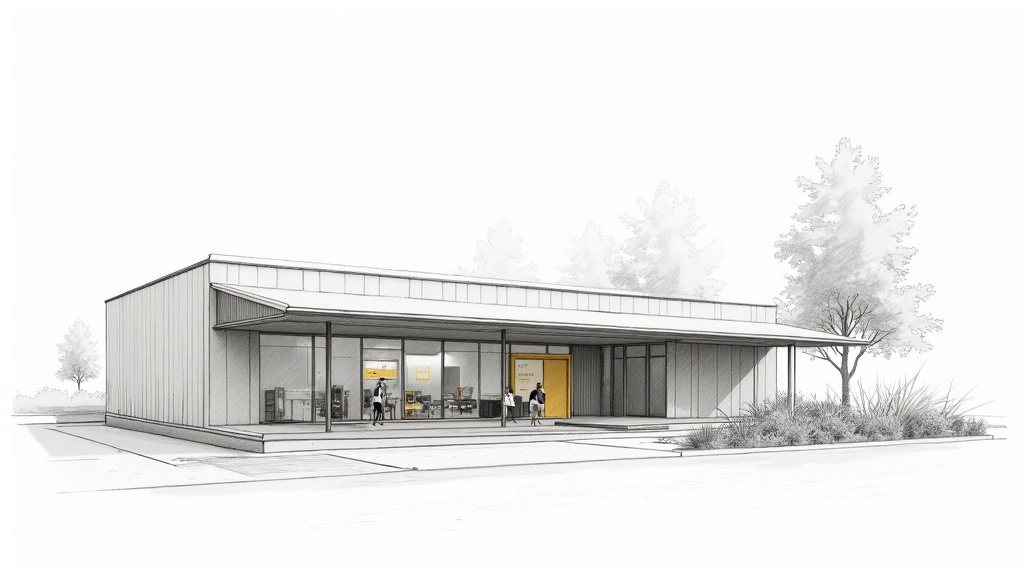
We are in Rennes, at the beginning of the 1990s. An owner of a shopping centre, let's call him Mr X, leases premises to the operator of a bar-brasserie, the company L'Atlantide. But this is not a simple lease: a synallagmatic promise of sale (a reciprocal undertaking to buy and sell) is signed. The problem? The period for completion of the sale is extended indefinitely. The owner, who knows that the buyer is having difficulty obtaining a loan, nevertheless authorises him to carry out substantial fitting-out works. Better still: he contributes to the financing of these fittings, but reserves ownership of them at the end of the lease, without compensation. The rent is set at 32,000 francs per month (approximately 4,900 euros), well above the actual capacity of the lessee, given the financial commitments already made.
Result: the company L'Atlantide cannot meet its debts, it becomes insolvent. The owner has achieved his objective: the presence of an active bar-brasserie enhanced his shopping centre and attracted other traders. But at what cost? The tenant is ruined. The Rennes Court of Appeal, on 8 January 1992, orders the owner to pay damages for fault: by pursuing his own interest, he extended the period for completion beyond a reasonable limit and encouraged the buyer to make investments doomed to failure. The owner appeals to the Court of Cassation, but the Court of Cassation dismisses his appeal on 22 February 1994, upholding the appeal judgment.
The reasoning of the court — broken down
The judges rely on Article 1240 of the Civil Code (formerly 1382), which provides that "any act of man, which causes damage to another, obliges the person by whose fault it occurred to repair it". In short: if you cause harm to someone by your fault, you must compensate them.
Here, the owner's fault is characterised by several elements: first, he extended the period for completion of the sale indefinitely, although he knew that no loan was in place and that the buyer was experiencing financial difficulties. Next, he authorised and even partially financed costly fittings, while reserving ownership of them — a typical unconscionable clause. Finally, he imposed a rent disproportionate to the lessee's means. All this, in his personal interest: to maintain an attractive business in his shopping centre.
The Court of Cassation validates the reasoning: the owner indeed committed a fault in direct relation to the aggravation of the buyer's liabilities. This is not a mere coincidence: it is a deliberate strategy. This decision is part of a line of case law that sanctions abuses of rights in commercial leases, particularly when the lessor uses his position of strength to drive the lessee to ruin. Today, this principle is reinforced by the concept of abuse of the right to contract (Article 1104 of the Civil Code) and by increased protection of the commercial tenant.
What this means for you — concretely
If you are a lessor owner: you must be careful. Extending a period for completion indefinitely means running the risk of being held liable if the lessee goes bankrupt. Concrete example: in Esbly, a shopping centre owner granted a tenant an 18-month period to finalise the purchase, while authorising him to carry out €80,000 of works. The sale never took place, the tenant filed for bankruptcy. Result: the owner had to compensate the loss to the tune of €40,000.
If you are a tenant or buyer: this decision is a protection. If your lessor pushes you to invest while you are in difficulty, knowing that the sale will not go through, you can obtain compensation. Keep all writings (emails, letters, text messages) where he encourages you to incur expenses. Note the dates: the limitation period is 5 years from the damage (Article 2224 of the Civil Code).
If you are a co-owner: beware of fitting-out clauses that provide that the works remain the property of the lessor without compensation. They may be abusive if imposed in a situation of weakness.
Four tips to avoid this type of dispute
- Secure the promise of sale: set a firm period for completion (3 to 6 months maximum) and a resolutory condition in case of non-obtaining of the loan. Never leave ambiguity.
- Require a financial assessment before works: before carrying out costly fittings, have your repayment capacity assessed by an accountant. If the lessor pushes you, ask him for a written statement.
- Negotiate a clause on ownership of fittings: in case of termination of the lease or non-sale, you must be able to recover your investments or be compensated. Never sign a clause that gives them free of charge to the lessor.
- Keep all evidence: every exchange with the owner, every authorisation for works, every reminder. In case of dispute, these are your best weapons.
Further reading: related case law and developments
This 1994 decision was followed by other judgments confirming the lessor's liability in case of abusive encouragement to invest. For example, in a Court of Cassation decision of 6 May 1997 (No. 95-12.345), an owner who had granted a lease at an excessive rent in exchange for renovation works was ordered to pay damages for abuse of right. More recently, the commercial chamber recalled (14 November 2018, No. 17-24.978) that the lessor cannot impose unconscionable conditions without incurring liability. The trend is clear: judges increasingly protect the lessee, especially in unequal power relations. In the future, expect clauses of "free return of fittings" to be scrutinised closely, or even declared abusive if imposed without real consideration.
Frequently asked questions
Can I refuse to carry out works requested by my lessor? Yes, if the lease does not require them. If he threatens not to renew the lease, seek advice: this could constitute abusive pressure.
What if my lessor deliberately delays the signing of the deed of sale? Put him on notice by registered letter with acknowledgement of receipt. If the delay is unreasonable, apply to the judicial court for an order for specific performance of the sale.
What are the time limits for bringing a claim against a lessor? You have 5 years from the date you suffered the damage (for example, the date of insolvency). After that, you are time-barred.
Can I obtain damages for the loss suffered? Yes, if you prove the lessor's fault and the causal link with your loss. The judges may award sums corresponding to lost investments, excessive rents paid, or even loss of opportunity to operate.
Is a simple delay in completion a fault? No, the delay must be abusive and accompanied by encouragement to invest with knowledge of your difficulties. Each case is assessed by the judges.
Are you in a similar situation? A first 30-minute consultation with Maître Zakine (€45) can save you months of proceedings — and often much more. Book an appointment →
📌 Does this apply to your situation? Maître Cécile Zakine, French real estate lawyer, practises throughout France.
→ Avocat bail commercial |
→ Browse all our legal articles
