Reference decision: cc • No 83-94.179 • 1985-03-19 • View the decision →
Imagine: you are the owner of a flat in Hyères, with a sea view. One morning, your neighbour starts building a shed without applying for planning permission. Noise from lorries, dust, loss of view… You are fed up. What can you do? For a long time, it was thought that the rules of the French Planning Code only protected the public interest, not private individuals. But the Court of Cassation, in a judgment of 19 March 1985, changed the situation: it recognises that these rules also protect private individuals, and that direct and personal damage can be compensated before the criminal court. Explanations follow.
The facts: a story that happens every day
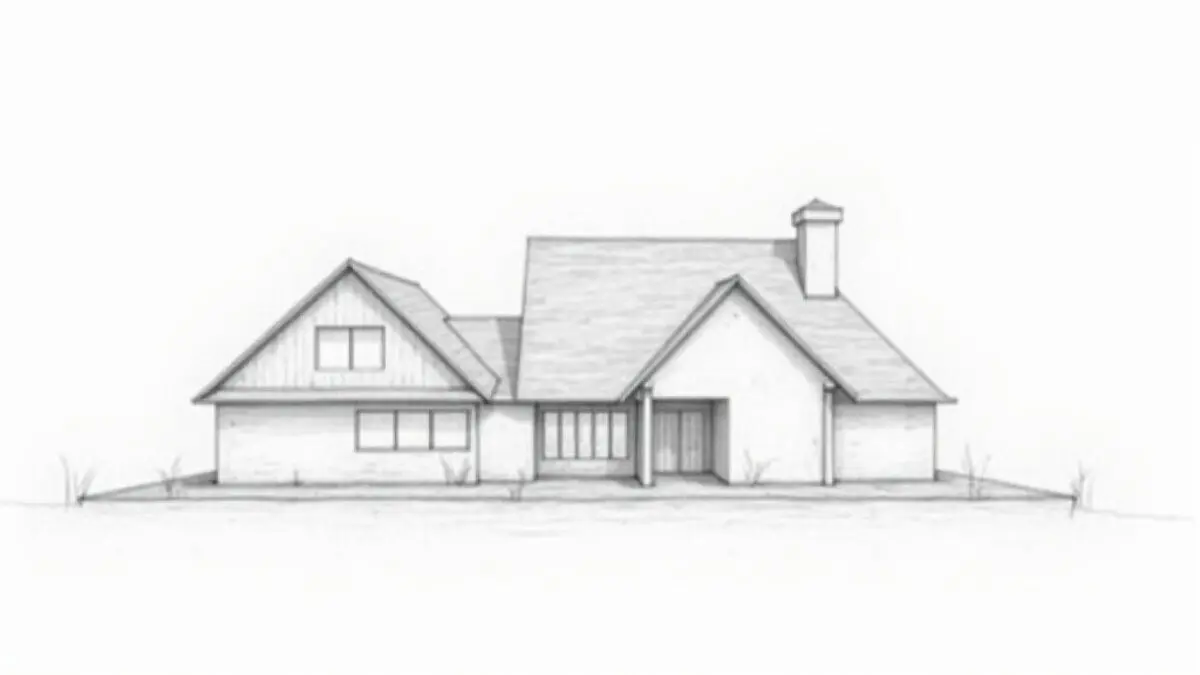
In this case, a condominium located near the Leclerc stores suffered neighbourhood disturbances: noise from lorries delivering goods, constant comings and goings. The co-owners filed a complaint denouncing these disturbances, incidentally mentioning that these nuisances were aggravated by the erection of a shed without planning permission. The court first convicted the responsible party for an offence under the Planning Code. But the court of appeal quashed this conviction, holding that planning rules only protect the public interest, not private individuals. The co-owners appealed to the Court of Cassation. The Court of Cassation overturned the court of appeal: it recalled that, although the provisions of the Planning Code are enacted in the public interest, they also tend to protect private individuals to whom the execution of works without planning permission may cause direct and personal damage. In other words, even if no public prosecution for the planning offence is brought, the private individual may claim compensation for his damage before the criminal court.
The reasoning of the court — analysed
The Court of Cassation relies on a fundamental principle: planning rules, although of public policy, also serve to protect neighbours. It cites Article 1382 of the Civil Code (now Article 1240 since 2016) which provides that 'any act of a person which causes damage to another obliges the person by whose fault it occurred to make reparation'. In this case, the construction without planning permission constitutes a fault. This fault causes direct and personal damage to the co-owners (noise, loss of enjoyment). Therefore, they can bring a civil liability action before the criminal court (the criminal court), even if the planning offence is not upheld. This reasoning is innovative: previously, it was considered that only neighbourhood rules (abnormal disturbances) gave rise to a right to compensation, but not planning rules. However, note: the Court specifies that the damage must be direct and personal. It is not because your neighbour builds without planning permission that you can automatically sue him. You must demonstrate a causal link between the lack of planning permission and the disturbance suffered. undefined, I have come across cases where owners in Fréjus tried to rely on a lack of planning permission for nuisances that existed before the construction. The judges rejected the claim for lack of a direct link.
What this changes for you — concretely
This decision opens a new avenue for neighbours. If you suffer nuisances (noise, dust, loss of sunlight) linked to an illegal construction, you can now bring a civil action before the criminal court, even if the public prosecutor does not pursue the offence. Concretely: you can claim damages for the damage suffered. For example, if you are a co-owner in Hyères and your neighbour builds a shed without planning permission that deprives you of your view, you can obtain between €5,000 and €20,000 depending on the extent of the damage. For landlord owners, it is also a way to protect your property: if a tenant or neighbour causes disturbances, you can take action. Buyers must be vigilant: before buying a property, check that all constructions are authorised. A shed without planning permission can generate future disturbances. If you are in this situation, you must gather evidence: photos, witness statements, bailiff's report, and consult a lawyer to assess the feasibility of an action. Time limit: the civil liability action is barred after 5 years from the manifestation of the damage.
Four tips to avoid this type of dispute
- Check planning permissions before any property purchase. Ask the seller for the planning authorisations for all constructions. In Fréjus, a buyer discovered after the sale that the garage had been built without planning permission. He had to incur regularisation costs.
- In case of works by a neighbour, monitor the display of the planning permission. The planning permission must be displayed on the site. If there is no display, report it to the town hall. You can also consult the planning register at the town hall.
- Document the nuisances. Keep a diary of the disturbances, take photos, obtain bailiff's reports. The more evidence you have, the stronger your action will be.
- Consult a lawyer before taking action. An initial consultation can save you from embarking on a costly procedure if your damage is not direct and personal.
Further reading: related case law and developments
This 1985 decision was subsequently confirmed. For example, in a judgment of 12 July 1995 (No 93-85.327), the Court of Cassation held that non-compliance with planning rules may constitute a civil fault giving rise to compensation for neighbours. More recently, the trend is towards broadening: the Court admits that the damage may be moral (loss of enjoyment) or material (loss of property value). However, note: some courts remain strict on the causal link. It is not enough that the construction is without planning permission for the neighbour to be automatically liable. It must be demonstrated that it is the lack of planning permission (and not the construction itself) that causes the disturbance. For example, if the shed had been authorised but generated the same nuisances, the action would fail. What few people know: you can also bring an action before the civil court (judicial court) for abnormal neighbourhood disturbances, without going through the criminal courts. Both actions are possible, but the criminal route may be faster and less costly if the offence is established.
What you must absolutely remember
Practical FAQ:
- Can I sue my neighbour for a construction without planning permission that disturbs me? Yes, if you suffer direct and personal damage (noise, loss of view, etc.). You can claim damages before the criminal court.
- What are the time limits? The civil liability action is barred after 5 years from the day you became aware of the damage. For criminal offences, the limitation period is 6 years for misdemeanours.
- What if the planning permission was obtained but not complied with? You can take action for non-compliance with the permission (height, footprint...). The rules are the same: fault, damage, causal link.
- How much does a procedure cost? Lawyer's fees vary. A 30-minute consultation with Maître Zakine costs €45. Then, depending on complexity, an action can cost between €1,500 and €5,000.
- What if I am the builder? You must always check that your construction is authorised. Retrospective regularisation is possible but costly and uncertain. Better to prevent.
Are you in a similar situation? An initial 30-minute consultation with Maître Zakine (€45) can save you months of procedure — and often much more. Book an appointment →
📌 Does this apply to your situation? Maître Cécile Zakine, French real estate lawyer, practises throughout France.
→ Prendre rendez-vous pour une consultation |
→ Browse all our legal articles
