Reference decision: cc • No. 68-13.733 • 1970-03-12 • View decision →
Imagine: you have just purchased the bare ownership (the right to become owner upon the death of the usufructuary) of a house in Aytré, near La Rochelle. The usufructuary, an elderly lady, lives there and, to supplement her income, rents a room to a student. You believe she is abusing her right and ask the court to deprive her of her usufruct (remove her right). What will the judge decide?
The Court of Cassation ruled on this question on 12 March 1970 in a case from Rochefort: the trial judges (first instance court and court of appeal) have broad discretion to apply the sanction of Article 618 of the Civil Code (which provides for forfeiture of usufruct in case of abuse of enjoyment). Result: even if the usufructuary rents part of the property, this does not automatically constitute an abuse. In this case, the Court upheld the judges' refusal to order forfeiture.
Are you a bare owner, usufructuary, or simply curious about where the line between normal use and abuse lies? This article explains everything, with concrete examples from Rochefort, Aytré and elsewhere.
The facts: a story that happens every day
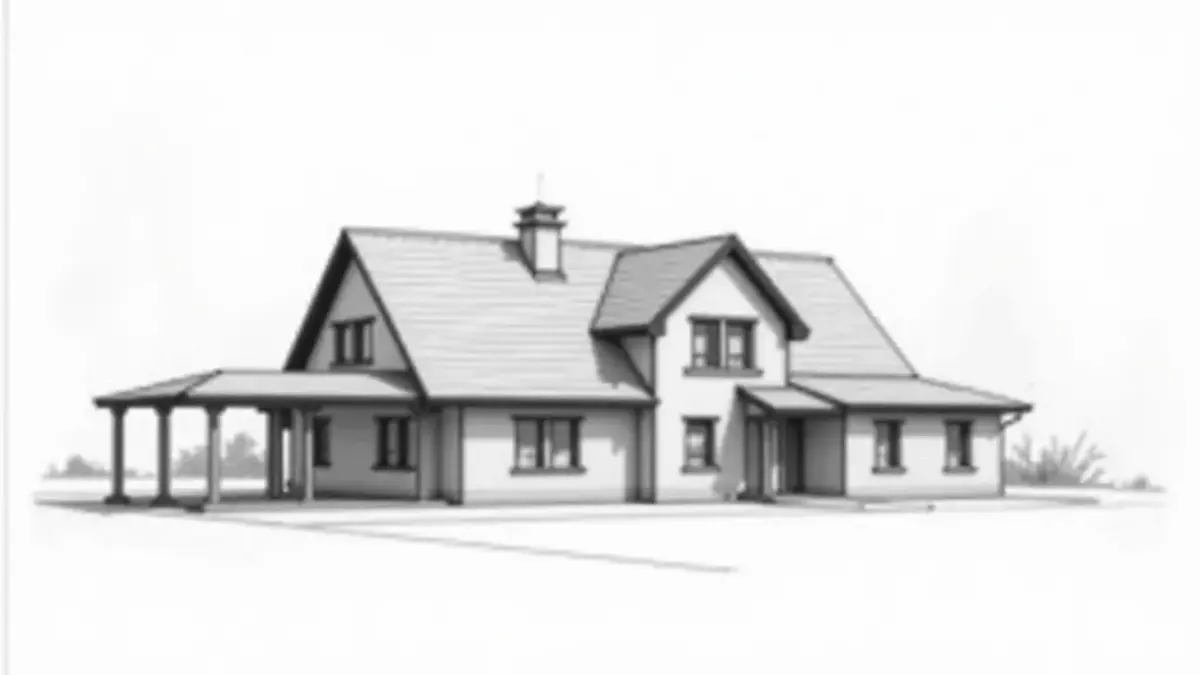
In 1964, the Conan couple bought the bare ownership of a house in Rochefort, of which Miss Vallée held the usufruct under a deed of 15 March 1964. The usufructuary lived in the house but, for financial reasons, decided to rent part of the property to a third party. The Conans, unhappy, considered this rental to be an abuse of enjoyment. They sued Miss Vallée before the Tribunal de Grande Instance of La Rochelle to seek forfeiture of her usufruct on the basis of Article 618 of the Civil Code.
The tribunal, after an expert report revealed damage to the house, refused to order forfeiture. Why? Because the deterioration found occurred after the creation of the usufruct and the mere rental of part of the property was not sufficient to characterise an abuse. The Conans appealed, but the Poitiers Court of Appeal upheld the judgment. They then appealed to the Court of Cassation.
Before the Supreme Court, they argued that renting part of the property burdened with a usufruct in itself constitutes an abuse of enjoyment. But the Court of Cassation did not follow them: it recalled that the trial judges have broad discretion. They may consider, as in this case, that the rental was not an abuse. Appeal dismissed.
The court's reasoning — dissected
Article 618 of the Civil Code provides that 'usufruct may cease by the abuse that the usufructuary makes of his right, either by committing deterioration on the property, or by allowing it to decay through lack of maintenance.' In other words, if the usufructuary uses the property in a way that damages it or prevents the bare owner from recovering the property in good condition, the court may remove the usufruct. But note: the law does not define precisely what constitutes an 'abuse'. That is where the judges' power comes in.
In this case, the Conans argued that letting part of the property necessarily constituted an abuse, because it exposes the property to occupation by a third party, with risks of deterioration. But the Court of Cassation held that the trial judges had sovereignly assessed that the damage found was not attributable to the rental itself, but to later events. And above all, that the rental alone was not sufficient to characterise an abuse of enjoyment.
This decision is important because it reminds us that the assessment of abuse is concrete: the judge looks at the circumstances of each case. Here, the usufructuary was renting part of her house, which is a normal use of the right to enjoy the property. The bare owner's concern alone does not constitute abuse. A real harm (deterioration, serious lack of maintenance, etc.) must be proven.
What this changes for you — practically
For usufructuaries: you can rent all or part of the property without fear of automatically losing your right. But be careful, you must maintain the property and not cause deterioration. If you rent to people who cause damage, you could be held responsible. Example with figures: in Rochefort, a usufructuary rents a room for €300 per month. If the tenant punches a hole in the wall, the bare owner can claim compensation, but not necessarily forfeiture.
For bare owners: you cannot obtain forfeiture simply because the usufructuary rents. You must demonstrate a clear abuse (deterioration, lack of maintenance, etc.). If you notice damage, have it recorded by a bailiff (cost around €150-200) and put the usufructuary on notice to repair it. If nothing happens, take the matter to court. But be aware that judges are reluctant to order forfeiture except in serious cases.
For tenants of a property subject to a usufruct: your lease is valid as long as the usufructuary exists. Upon their death, the bare owner becomes full owner and may decide not to renew the lease (unless it is a residential lease subject to the law of 6 July 1989). Be vigilant.
Example in Aytré: a bare owner buys a flat occupied by a usufructuary who rents a room. He cannot demand the tenant's departure as long as the usufructuary lives, unless he proves an abuse.
Four tips to avoid this type of dispute
- Draw up a joint inventory of condition: when the usufruct is created, make a detailed inventory with photos. This will distinguish pre-existing damage from that occurring during the usufruct. An investment of €200 can save years of litigation.
- Include a clause in the deed: if you are a bare owner, you can negotiate with the usufructuary a clause prohibiting renting without your consent. This clause is valid and will make it easier to characterise abuse in case of violation.
- Communicate regularly: bare owner and usufructuary, exchange information on the condition of the property. A simple phone call or email every six months can defuse tensions. In Rochefort, an owner avoided a lawsuit by offering to contribute to the cost of repairing a leak.
- Consult a lawyer before acting: before suing for forfeiture, seek legal advice. Legal costs (lawyer, bailiff, expert) can exceed €5,000. A 45-minute consultation with Maître Zakine (€45) will tell you if your case is viable.
Further reading: related case law and developments
The 1970 decision is not isolated. In a judgment of 9 December 2015 (No. 14-25.804), the Court of Cassation ruled that the fact that a usufructuary allowed his son to occupy the property free of charge without the bare owner's consent does not constitute an abuse of enjoyment, provided the property is maintained. In contrast, in a 2002 case (Civ. 3e, 4 December 2002, No. 01-03.675), forfeiture was ordered because the usufructuary had converted a flat into commercial premises without authorisation and without complying with planning regulations.
The trend in the courts is clear: abuse of enjoyment is strictly assessed. Judges require concrete proof of serious harm (deterioration, lack of maintenance, use contrary to the property's purpose). Mere rental or occupation by a third party is not sufficient. This means that bare owners must be patient and not react hastily.
For the future, case law may evolve if abuses multiply (Airbnb, holiday rentals). But for now, the usufructuary's freedom of enjoyment remains broad.
What you absolutely must remember
FAQ
Can renting part of the property under usufruct lead to forfeiture? No, not automatically. There must be a clear abuse (serious deterioration, lack of maintenance).
What if the usufructuary rents to noisy people? Report it to the bare owner. If the nuisance is excessive, the judge may consider there is abuse if it damages the property (e.g., nocturnal noise leading to damage).
Can I forbid the usufructuary from renting? Yes, if you provide for it in the deed creating the usufruct. Otherwise, it is his right.
What are the time limits for bringing a forfeiture action? The limitation period is 5 years from knowledge of the facts (Article 2224 of the Civil Code). Act quickly.
How much does a forfeiture proceeding cost? Expect between €3,000 and €8,000 for a lawyer, plus expert fees (€1,000 to €3,000).
Are you in a similar situation? A first 30-minute consultation with Maître Zakine (€45) can save you months of litigation — and often much more. Book an appointment →
📌 Does this apply to your situation? Maître Cécile Zakine, French real estate lawyer, practises throughout France.
→ Prendre rendez-vous pour une consultation |
→ Browse all our legal articles
