Reference decision: cc • No. 75-12.619 • 1976-05-06 • View the decision →
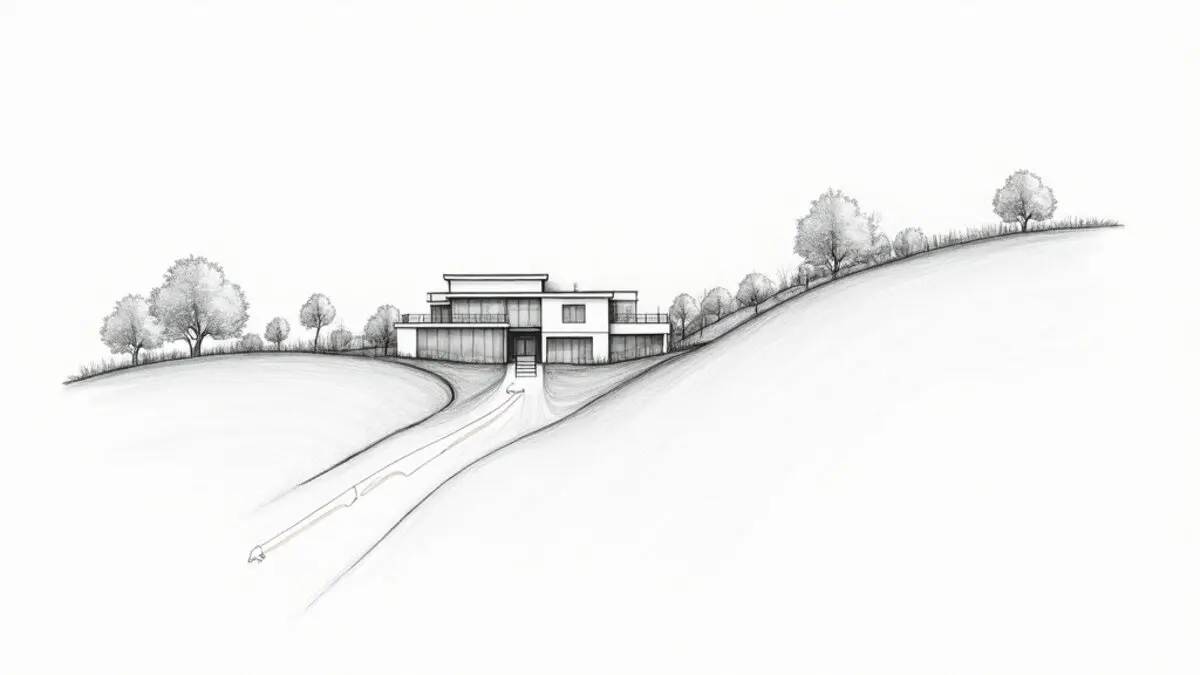
Imagine: you live peacefully in Audierne, in a nice house with a garden. One stormy morning, you find your land flooded. Water is flowing from the neighbouring plot, located higher up. What can you do? Are you obliged to suffer? The answer is in Article 640 of the French Civil Code, which establishes a natural easement for water drainage. But this easement has limits. The Cour de cassation, in a judgment of 6 May 1976, ruled: the owner of the upper land cannot do anything that aggravates the situation of the lower land. Analysis.
The facts: a story like any other
In Concarneau, a company, Plastifrance, built industrial buildings on land dominating a neighbouring property. The owners of the lower land, Mr and Mrs A., complained of disturbances: due to the filling carried out on the upper land, their land was regularly flooded. Rainwater, which previously flowed naturally, was diverted and accumulated on their property. They sued the company to stop these nuisances. Plastifrance contested: it argued that the water came from normal rainfall and that the drainage easement obliged the lower land to receive it. But the Court of Appeal ruled in favour of Mr and Mrs A.: it found that the filling works had aggravated the easement, and ordered the company to stop the discharge. The company appealed to the Cour de cassation.
The reasoning of the court — explained
The Cour de cassation dismissed the appeal. It recalled the principle: under Article 640 of the Civil Code, the easement for water drainage obliges the lower land to receive water flowing naturally from the upper land, without human intervention. The owner of the upper land cannot do anything that aggravates this easement. In this case, the lower courts found that the filling had altered the natural flow of water, causing flooding of the lower land. It did not matter that the company had complied with industry standards: the aggravation was established. The Court upheld the solution: stopping the discharge is an adequate remedy. This judgment confirms settled case law: the owner of the upper land is liable for any modification that worsens the condition of the lower land. It is not a departure but a strict application of the text.
What this means for you — practically
If you are the owner of an upper land, you must be careful before undertaking works that alter the relief: filling, earthworks, drainage. Even a simple change in slope may be enough to aggravate the drainage and expose you to damages. If you are the owner of the lower land and suffer flooding, you can require the neighbour to stop the disturbance. For example, in Concarneau, a client obtained a court order requiring the neighbour to install a rainwater collection system. The cost of works can be borne by the neighbour at fault, and you can also claim damages for the harm suffered (e.g., €5,000 for a garden flooded for two years). Note: the limitation period is 5 years from the manifestation of the damage. Do not wait!
Four tips to avoid this type of dispute
- Commission a hydraulic study before any earthworks. A consultancy firm will advise you on the impact on neighbouring plots. Cost: around €1,500, but it can avoid a much more expensive lawsuit.
- Install water retention or diversion devices. Ditches, drains or retention basins can regulate flow. Such installations are often required by the local urban plan (PLU).
- Negotiate a contractual easement with your neighbour. If you must modify the drainage, have a notarial deed drawn up setting out the terms. This secures both parties.
- In case of dispute, try mediation before suing. Mediation can resolve the conflict in a few months, for a few hundred euros, instead of several years of litigation.
Further reading: related case law and developments
The Cour de cassation has reaffirmed this principle in other decisions. For example, in 1988, it held that installing a lift pump on the upper land, which accelerated the flow, constituted an aggravation of the easement. In 2005, it specified that simply modifying the slope of land, even without filling, could be considered an aggravation. The trend is therefore towards increased protection of the lower land. In future, judges may sanction more severely owners who alter the drainage, even minimally. If you are considering works, it is best to consult a lawyer specialising in property law.
Key points to remember
FAQ:
- Can I build a retaining wall on my land if it diverts water onto the neighbour's land? No, if it aggravates the easement. You must provide an appropriate outlet.
- What if my neighbour has filled his land and my basement is flooded? Send him a formal notice by registered letter, then apply to the judicial court if necessary. You can also request a court-ordered expert report.
- What is the cost of legal action for neighbourhood disturbance? Expect between €2,000 and €5,000 in lawyer's fees, plus expert fees (around €1,500). But if you win, the neighbour may be ordered to pay them.
- Can I cut off the water coming from my neighbour's land? No, unless you can prove an aggravation. It is better to take legal action.
- Is there a limitation period? Yes, 5 years from the first damage. Act quickly.
Besoin d'un conseil personnalisé ? Contactez Maître Zakine — première consultation 30 min à 45€.
Are you in a similar situation? A first 30-minute consultation with Maître Zakine (€45) can save you months of litigation — and often much more. Book an appointment →
📌 Does this apply to your situation? Maître Cécile Zakine, French real estate lawyer, practises throughout France.
servitude-droit-passage-avocat/" rel="dofollow">→ Avocat servitudes & foncier |
→ Browse all our legal articles
